

Book van+ferry, bus, flight, or train tickets in
Laos
- Book online with local operators
- We're here for you 24/7
- Stories by travelers, for travelers
Must visit places in Laos


Popular routes
Vientiane to Hanoi
Bangkok to Vientiane
Vientiane to Bangkok
Hanoi to Vientiane
Vientiane to Luang Prabang
Vientiane to Vang Vieng
Luang Prabang to Vang Vieng
Vang Vieng to Vientiane
Vientiane to Pakse
Vientiane to Siem Reap
Luang Prabang to Vientiane
Your questions, Our answers
Are credit cards accepted in Laos?
What vaccinations do I need before visiting Laos?
What is the standard voltage and plug type in Laos?
Which holidays are celebrated in Laos?
These are the holidays celebrated in Laos:
- Army Day
- Children's Day
- International Women's Day
- Labor Day
- Lao National Day
- Lao New Year
- New Year's
Laos Travel Guide: Everything You Need to Know
Discover the wonders of Laos with our helpful travel guide, which is perfect for planning your next adventure. Learn about Laos' weather patterns and the ideal times to visit for the best experience. Find practical tips on transportation options to navigate this beautiful Southeast Asian country. Explore must-visit cities, stunning natural attractions, and sample delicious local dishes that will delight your taste buds. Uncover hidden gems and off-the-beaten-path locations that most tourists miss but are worth adding to your itinerary.
Weather and Best Time to Visit
Northern Laos (Luang Prabang, Phongsali): November to February has cool, dry conditions ideal for trekking and temple exploration. March to May is warmer but still comfortable.
Central Laos (Vientiane, Vang Vieng): November to March offers the best weather with little rain and pleasant temperatures. October and April are good transition months with occasional showers.
Southern Laos (Pakse, Champasak, Si Phan Don): November to February provides cooler temperatures and clear skies, perfect for temple visits and Mekong River cruises.
Bolaven Plateau: December to February features cool mornings and warm afternoons, making it ideal for visiting waterfalls and coffee plantations.
Laos doesn't experience direct typhoon impacts, but the rainy season (May to September) brings heavy monsoon rains to all regions, which can make traveling in remote areas difficult.
Traveling by Season
High Season (November to February)
This is Laos' peak tourist season, occurring during the dry season. The weather is comfortable with temperatures between 15°C and 25°C (59°F and 84°F) and very little rain. Major destinations like Luang Prabang and Vientiane become busy. Expect to pay 30-50% more for accommodations, with limited availability at popular hotels. Tours require advance booking. Transportation runs regularly with few weather disruptions. While conditions for sightseeing are ideal, popular attractions get crowded, especially in December and January.
Shoulder Seasons (March-April & October)
March-April temperatures rise to 25-35°C/84-95°F with increasing humidity before the wet season begins. October transitions from wet to dry weather. These months offer better value with prices 10-20% lower than peak season and fewer tourists. Weather remains generally good, though March-April may have dust and haze from agricultural burning. October might have occasional rain, causing minor travel delays. Booking ahead is recommended but not essential for accommodations and tours.
Low Season (May to September)
The monsoon season brings heavy rainfall, particularly in July-August. Rain typically falls in the afternoon with occasional longer storms that can delay transportation and make rural roads difficult. Temperatures range from 25-35°C/84-95°F with high humidity.
Advantages include:
- -Significantly lower prices (up to 40% off)
- -Room for negotiation
- -Fewer tourists at attractions
Some rural areas may be harder to reach, and certain outdoor activities might be limited. The landscape becomes beautifully green, and waterfalls are at their most spectacular.
How to Get to Laos
Flying into Laos requires using one of several airports located throughout the country's mountainous landscape. Wattay International Airport in Vientiane, the capital city, receives daily flights from Bangkok, Hanoi, and other Asian cities. This airport doesn't typically serve large international carriers but provides essential connections to Laos.
In the north, Luang Prabang International Airport serves as the entry point to the historic former royal capital of Luang Prabang. The airport is surrounded by mountains and handles visitors coming to explore the city's monasteries and colonial architecture.
Pakse International Airport in the south provides access to Pakse and the Bolaven Plateau region.
The country also has smaller airports, including:
- Savannakhet Airport serves the riverside town of Savannakhet.
- Xieng Khouang Airport for travelers heading to the Plain of Jars near Phonsavan.
While Laos has fewer airport facilities than neighboring Thailand or Vietnam, these transportation hubs provide necessary access to the country's cultural sites and natural attractions.
Cross-Border Travel to Laos
There are several ways to reach Laos, including flights to major cities and various overland routes from neighboring countries.
From Vietnam: The Hanoi to Luang Prabang bus journey takes approximately 24 hours. Sleeper buses are available for this route. The trip includes mountain passes and occasional stops at roadside establishments before crossing the border (more Vietnam routes).
From Thailand: You can enter via the Friendship Bridge #1 near Nong Khai, then shared tuk-tuks will transport you across to Laos immigration, followed by transport to Vientiane (more Thailand routes).
From Cambodia: Buses connect Phnom Penh to southern Laos, though road conditions worsen near the border. These crossings often require vehicle changes and can involve administrative delays (more Cambodia routes).
Routes within Laos:
The Vang Vieng to Vientiane route has terrain that gradually changes from karst formations to agricultural areas.
The Vientiane to Luang Prabang route passes through rural landscapes with rice fields and limestone formations.
The Luang Prabang to Vang Vieng section travels through traditional villages with houses built on stilts.
How to Get Around
In Laos, travelers move from place to place using transportation that fits how they like to travel. Buses connect the big cities without costing much money, while minivans get you there faster on the busy routes. The new Laos-China Railway has changed how people travel north to south completely.
Some journeys happen on water—ferries carry passengers along the Mekong River, showing life along the riverbanks. Some trips combine buses and ferries, while others use vans and boats to get travelers where they need to go.
When time matters more than money, domestic flights cross the country quickly, though tickets cost more.
In cities, transportation options include:
- Three-wheeled tuk-tuks that dart through traffic, their drivers knowing every shortcut and alley.
- Songthaews—pickup trucks with covered backs and bench seats that carry locals and travelers along set routes.
- Motorcycles for travelers wanting to explore on their own schedule.
- Bicycles work well for getting around flatter cities like Vientiane.
For help planning transportation, services from Laos Group Tour or Soutchai Travel can arrange reliable rides throughout the country.
Food Scene
Laos's cuisine tells stories through its distinctive flavors and locally sourced ingredients.
When in Luang Prabang, locals gather at riverside eateries where laap — a minced meat salad seasoned with herbs, lime, and toasted rice powder — arrives on banana leaves beside sticky rice. The tam mak hoong (spicy papaya salad) crunches with fresh green papaya strips tossed with lime, chili, and fish sauce.
Morning in Vientiane starts with steaming bowls of khao piak sen (rice noodle soup) served by vendors who've prepared their broths since dawn.
Food Markets & Street Food:
- Luang Prabang Night Market: The sizzle of sai oua (Lao sausage) filled with lemongrass and galangal draws people in after sunset.
- Vientiane's Ban Anou Night Market: Families unwrap mok pa (steamed fish in banana leaf), releasing aromatic steam.
Regional Specialties:
- Northern: or lam (hearty stew combining buffalo meat with vegetables and wood ear mushrooms).
- Southern: sin dad (Lao BBQ where diners cook thin slices of meat on tabletop grills).
Hidden Gems
1. Tad Lo Waterfalls, Salavan
Water tumbles down three natural steps at Tad Lo, where locals often swim without the crowds found at other falls throughout Laos.
The Bolaven Plateau's clear pools welcome visitors between November and February, when water levels balance perfectly, full enough to impress but not overflowing from monsoon rains. Travelers make their way here by catching a local songthaew from Pakse, a journey that winds through small villages for 2-3 hours. Those seeking independence rent motorbikes, following roads that curve through coffee plantations and forest patches.
2. Ban Nalan Trail, Luang Namtha
Footpaths wind through jungle where birds call overhead and Khmu villagers carry on life as they have for generations. This 12 km (7.5 mile) path connects communities that open their doors to curious travelers, sharing meals and offering sleeping mats in wooden homes.
The path turns muddy during rainy months, so walking becomes easier between October and April. The Luang Namtha Tourism Office pairs travelers with local guides who translate conversations and explain forest plants along the way.
3. Bolaven Plateau, Pakse
Morning mist rises from coffee plants where farmers pick red berries by hand. At 1,000 meters (3280 feet) above sea level, the plateau offers relief from lowland heat, creating perfect conditions for coffee trees and travelers alike. Farmers often invite passing visitors to taste their fresh-roasted beans, explaining growing methods passed down through generations.
The December to February window brings blue skies and comfortable temperatures. The road forms a loop that motorcyclists can follow at their own pace, stopping at waterfalls and villages when something catches their eye.
Scenic Routes
The Huay Xai to Luang Prabang two-day boat journey down the Mekong becomes a floating window into Laotian life. Children wave from riverbanks, fishermen cast nets in the morning light, and limestone formations rise from the water like giants. Between November and January, the water runs clear and the air feels crisp. On the slow boat, you'll share benches with locals, hear their stories, and have time to photograph the changing landscape as it drifts past.
The Luang Prabang to Nong Khiaw route follows the Nam Ou River as it cuts through mountains that look hand-drawn against the sky. The boat moves at a pace that lets you notice details—wooden homes built on stilts, farmers working terraced fields, caves that once sheltered entire villages during wartime. October through February offers clear skies and comfortable temperatures for this journey.
From Pakse to 4000 Islands, the Mekong fractures, creating a maze of islands and channels where time slows down. Water buffaloes cool themselves in the shallows, fishing nets hang to dry, and occasionally, the rare Irrawaddy dolphins surface. From November to March, the water recedes enough to reveal more land and make island-hopping possible.
The Muang Khua to Nong Khiaw less-traveled river route passes through valleys where mist clings until mid-morning. The small boats navigate narrow passages where you can reach out and touch the vegetation along the banks. Villages appear suddenly around river bends, with children running alongside the boat. During the green season (May-October), waterfalls cascade from cliffs after rainfall.
The Pakse to Champasak journey downriver to Wat Phou feels like traveling back in time. The Mekong widens here, moving languidly past villages where life continues as it has for generations. When you arrive at the ancient temple, stones worn smooth by centuries stand against mountain backdrops. The cool, dry months from November to February offer comfortable days for exploring these ruins.
Events, Festivals and Local Markets
Boun Pi Mai (Lao New Year): In mid-April, Vientiane transforms as locals and visitors drench each other in water across the city. Children laugh while running with buckets. Elders smile as they gently pour water over Buddha statues. The water isn't just for fun; it washes away the old year's troubles and welcomes fresh beginnings.
Boun Bang Fai (Rocket Festival): Come May, farmers in Vientiane gather with homemade bamboo rockets, some reaching several meters long. The countryside echoes with cheers as these rockets shoot skyward. Locals say the higher they fly, the better the rain will be for rice fields below.
That Luang Festival: When November arrives, thousands walk by candlelight around Vientiane's golden stupa. Monks in orange robes chant prayers that float through the evening air. The smell of incense mingles with street food as families gather to honor Buddha and ask for good fortune.
Boun Awk Phansa (End of Buddhist Lent): October brings a special night in Luang Prabang when the Mekong turns into a river of light. Families place small boats made of banana leaves, carrying candles and flowers, onto the water. Standing by the riverbank as thousands of these lights drift downstream connects you to centuries of Lao tradition.
Best Places to Visit
1. Luang Prabang sits where two rivers meet, the mighty Mekong and the gentler Nam Khan. Monks in orange robes walk past old French-style buildings. Gold-roofed temples catch the morning light. The city moves at a slower pace than visitors might be used to.
Between November and March, the air stays dry and cool. These months make wandering through temple courtyards comfortable and the hike to Kuang Si Falls with its turquoise pools more enjoyable.
As the sun rises each morning, locals kneel along the streets with baskets of sticky rice. Monks walk barefoot, collecting these offerings in an ancient ritual that continues despite centuries of change.
At the Traditional Arts and Ethnology Centre, people learn to weave or dye fabric using methods passed down through generations.
- -Fly directly to Luang Prabang International Airport from regional hubs.
- -Take a slow boat from Thailand along the Mekong River.
- -Travel by bus from Vientiane (approximately 8-10 hours).
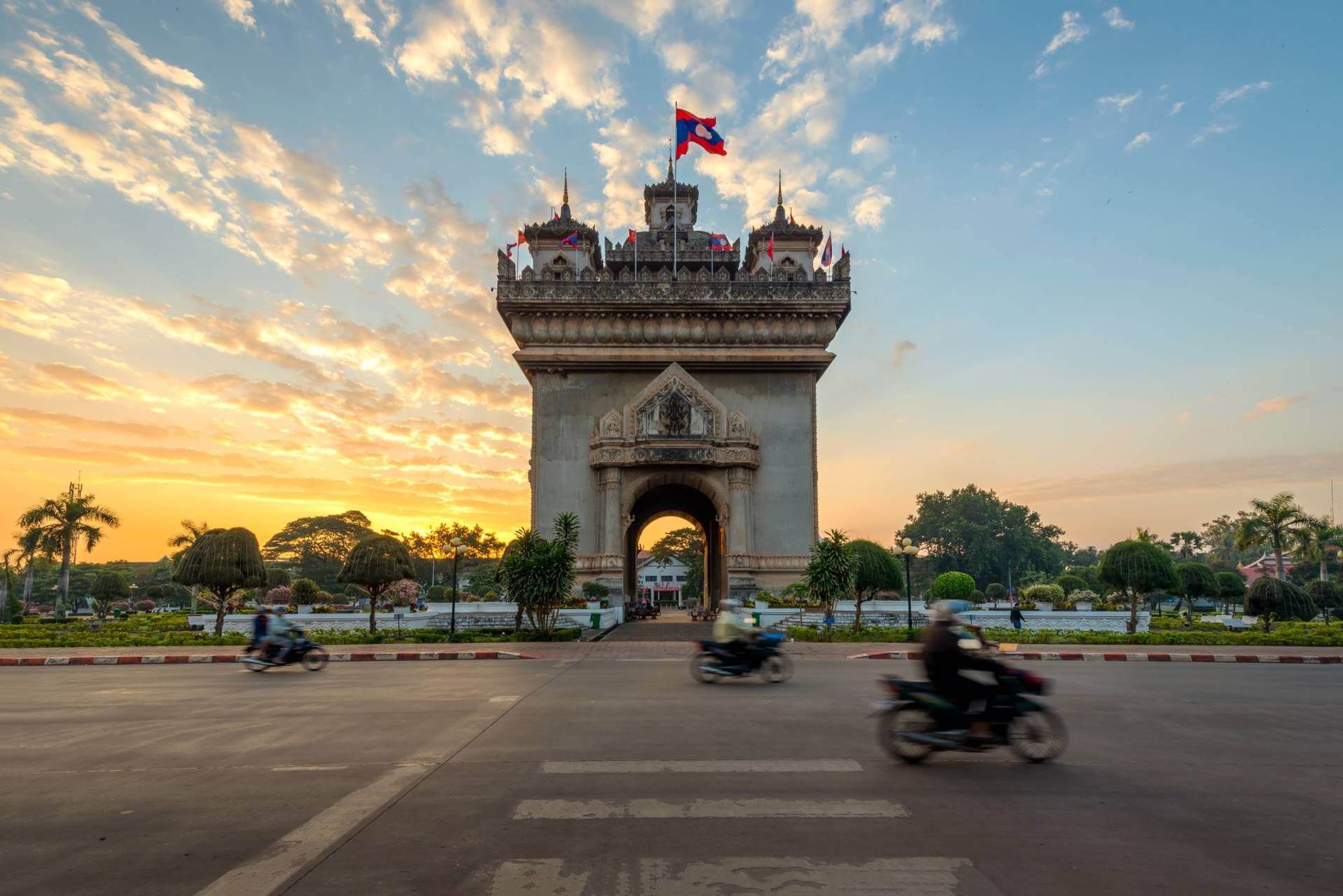
2. Vientiane, where the Mekong River meanders, is a capital city that moves at a leisurely pace. Here, Buddhist temples stand near buildings with French shutters and balconies. The golden spire of Pha That Luang rises above the city, while the Patuxai Monument creates an unusual silhouette against the sky, like the Arc de Triomphe with Lao details.
The months from November through February bring clear skies and cooler air. During this time, evening walks along the river become more pleasant, and exploring the night markets doesn't mean battling heat and humidity.
On weekends, the Vientiane Cycling Club pedals through neighborhoods tourists might otherwise miss. As evening falls, locals gather in riverside parks for group aerobics classes. The music starts, and dozens of people follow the instructor's movements as the sun sets over Thailand across the river.
- How to get to Vientiane
- -Arrive at Wattay International Airport with connections from major Asian cities.
- -Cross the Thai-Lao Friendship Bridge from Nong Khai, Thailand.
- -Take an overnight train to Nong Khai, then connect via shuttle bus.
3. Vang Vieng is surrounded by limestone mountains that rise straight up from rice fields. The Nam Song River winds between them, creating a landscape that looks drawn rather than real. This town has grown up, moving beyond its former reputation for parties to become a place where kayakers paddle beneath overhanging cliffs and hikers find hidden caves.
The dry season from November to March brings blue skies that contrast with the gray-white mountains. The river runs clearer then, making it easier to spot fish while floating in inner tubes down gentle sections.
Rock climbers chalk their hands and scale the limestone faces during international competitions.
Swimmers race across the cool waters of the Blue Lagoon while spectators cheer from the banks, tourists and locals alike joining in or watching from the shade.
- -Take a 4-hour bus journey from Vientiane on the improved highway.
- -Arrange a minivan transfer from Luang Prabang (approximately 7 hours).
- -Book a VIP bus with pickup from your hotel in nearby major cities.
Tips for Traveling in Laos
VISA & ENTRY
Most visitors need a visa: obtain an e-visa online ($50) or on arrival ($35-42)
Passport must be valid for 6+ months, bring passport photos
30-day standard tourist visa, extensions available in Vientiane
CULTURAL ETIQUETTE
Dress modestly (covered shoulders/knees) at temples
- Remove shoes before entering homes/temples
- Greet with "nop" gesture (prayer hands)
- Never touch anyone's head
MONEY MATTERS
Kip (₭) is local currency, but USD or Thai Baht are accepted in tourist areas
ATMs available in cities but carry cash for rural areas
Credit cards are accepted in upscale establishments only
HEALTH & SAFETY
Emergency: 1623 (tourist police)
Recommended vaccines: Typhoid, Hepatitis A/B
Comprehensive travel insurance is essential
Drink bottled water only
TRANSPORTATION
Tuk-tuks for local travel, negotiate fare beforehand
VIP buses between major cities
Boat travel is common along the Mekong